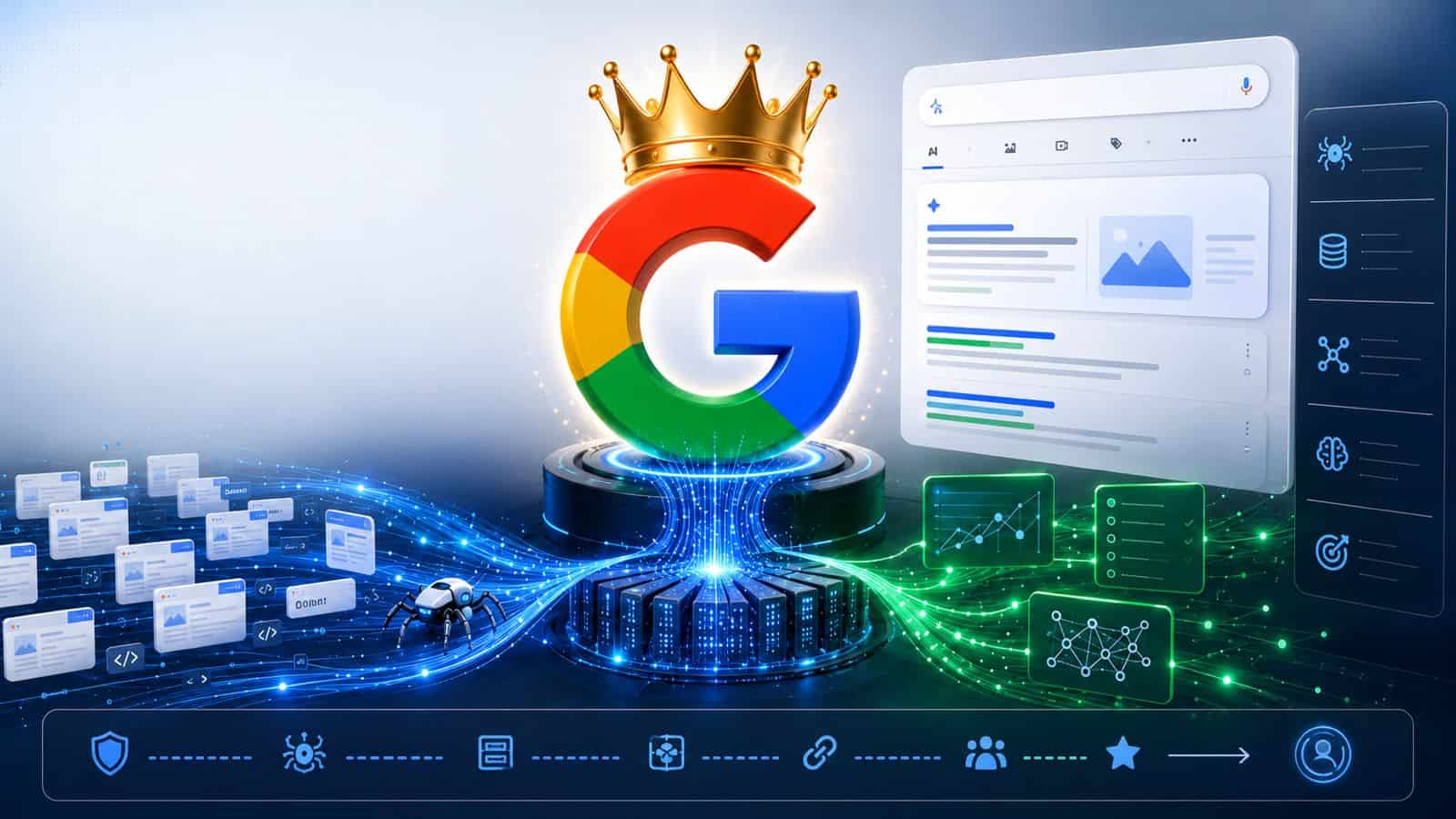
Google will dominate AI search in 2026/2027. This is not a bold prediction. New data from Cloudflare confirms something SEOs suspected but lacked the data to prove: Googlebot sees roughly three times more web pages than OpenAI and nearly five times more than Microsoft. Google has data access no competitor comes close to matching, often including content behind paywalls. It also maintains every copy of the web it has crawled since the beginning, and uses that historical corpus to train its models.
For AI it is simple. The quantity and quality of available data wins. The more training material, the better the model. Google built this advantage through search dominance, and competitors face a steep climb. Chatbots and AI assistants make headlines, but they still depend on crawled web content to train their systems and verify their answers. Most of that crawled content historically came from Common Crawl, which holds only a small subset of what Google has indexed over the years.
This brings me to the point most SEO discussions miss. Crawling and indexing remain the prerequisite for all visibility. AI search, generative engine optimization, answer engine optimization, and every new acronym that arrives in 2026 share one requirement: they need content that is accessible, understandable, and trusted. If a page is not crawled, it cannot be indexed. If it is not indexed, it cannot rank. If it cannot rank, AI systems have no reliable signal to cite it. No amount of prompt optimization or LLM-specific markup fixes a broken technical foundation.
Google has now confirmed this directly. In its newly published guidance on optimizing for generative AI search, Google states that its AI features are rooted in our core Search ranking and quality systems, and that optimizing for generative AI search is optimizing for the search experience, and thus still SEO. The official position matches what the data has been showing.
Technical SEO foundations have become more important, not less. Clean URL structures, proper canonicalization, server-side rendering for JavaScript content, structured data, and crawl budget efficiency all feed into how machines interpret a site. The bar applies differently to Googlebot, still the most advanced, than to GPTBot, ClaudeBot, and the rest of the ecosystem, most of them simpler crawlers. The technical work done for Googlebot now serves double duty across multiple AI discovery systems.
Before becoming an SEO consultant, I spent seven years at Google working on Search. The core signals have not changed as much as people think. Authority matters. Trust matters. Content quality is still the most important ranking factor. The bulk of major confirmed Google algorithmic updates in the last decade have been content quality related. The delivery mechanism has shifted from ten blue links to AI summaries and conversational answers, but the underlying evaluation criteria remain grounded in the same principles.
Brands investing in core SEO have a head start. Those who neglected technical health, hoping AI rules would be different, now face the problems they always had plus new ones. Broken canonicals, orphan pages, thin content, and rendering issues hurt sites in traditional search and in generative experiences alike.
The businesses I advise follow a simple hierarchy. Fix technical access first. Then publish content worth citing. Then optimize for the specific surfaces where the audience discovers information. The order matters. Skip the foundation and the rest fails. Too many teams chase AI features while ignoring basic technical SEO mistakes and server errors sitting in plain sight in their logs.
Google and SEO are not going away. Google still controls search distribution, trains leading AI models, and sees more of the web than anyone else. Optimize for this reality. Audit the site. Make it crawlable. Keep it indexable. Build genuine authority in the topic area. The search interface will keep changing. The underlying requirement to be found, understood, and trusted will not.
Thanks for reading!

View more case studies
The Atomic Answer Framework, Localised: Winning AI Overviews Across Markets

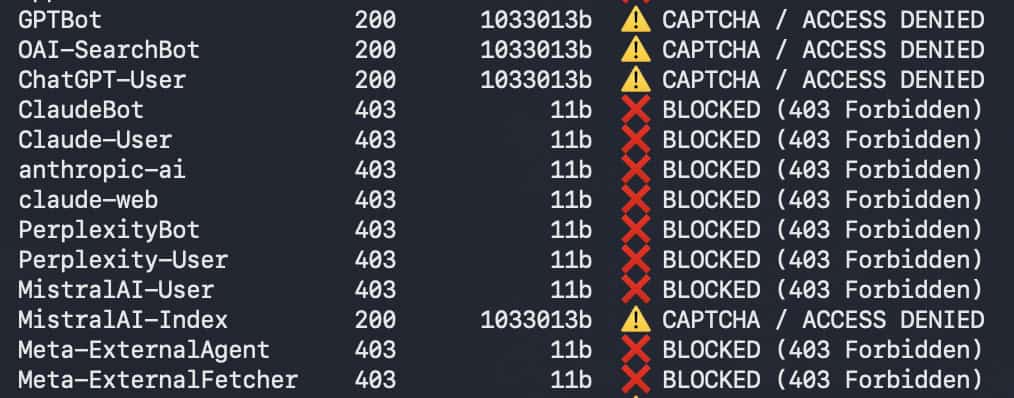
How to Check If AI Crawlers Can Actually Reach Your Site

How to build an SEO audit that runs itself (and knows when not to send the report)